Removals for Chiswick High Road moves
Posted on 20/06/2026

Removals for Chiswick High Road moves: a practical guide for a smoother local relocation
If you are planning Removals for Chiswick High Road moves, you are probably already picturing the same tricky bits most people do: narrow loading space, busy traffic, awkward stairwells, and the feeling that one small delay could throw the whole day off. That is fair enough. Chiswick High Road is lively, well-connected, and brilliant to live around, but it is not the kind of place where you can treat a move like an empty suburban driveway and a couple of boxes.
This guide breaks the process down in plain English. You will find out what makes these moves different, how a well-run removal service typically handles them, what to watch out for, and how to prepare without losing your mind halfway through a Friday afternoon. A little planning goes a long way here, honestly.
Why Removals for Chiswick High Road moves Matters
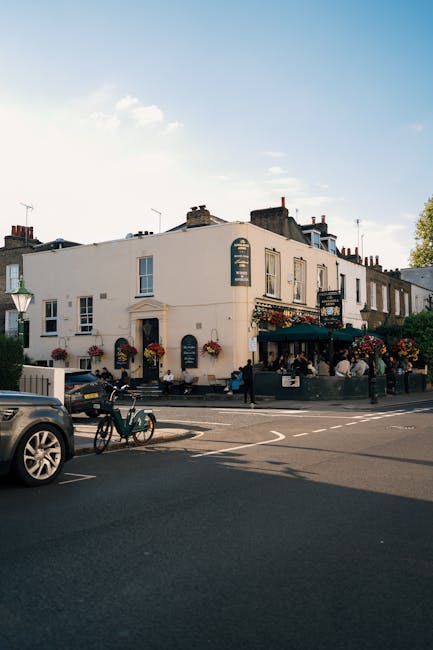
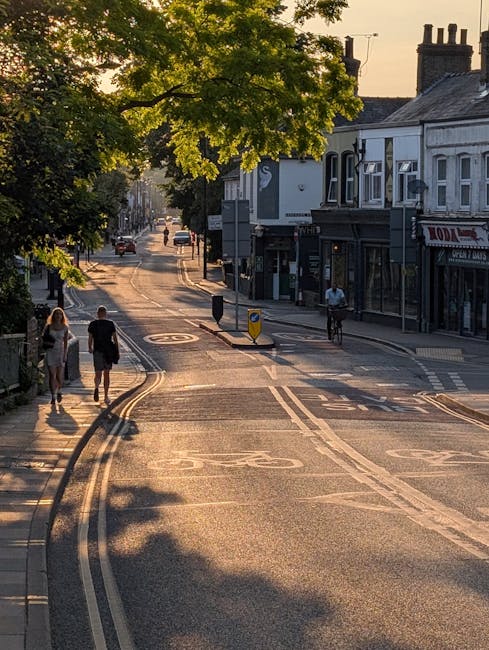
Chiswick High Road is not just another stretch of London pavement. It is a busy local artery lined with flats above shops, period homes on nearby side streets, offices, cafes, and a constant flow of pedestrians, deliveries, buses, taxis, and cyclists. That mix changes how removals have to be planned. The van cannot always park wherever it wants. The lift may be tiny. The building manager may want notice. And if you are moving during school-run hours or a busy weekend, the whole street can feel tighter than expected.
That is why dedicated planning matters. A removal done well on Chiswick High Road is less about brute force and more about timing, communication, and protecting both your belongings and the public space around you. It is also about reducing stress. Let's face it, moving day is already noisy enough without adding confusion at the kerb.
For many households, the biggest risk is not the lifting itself. It is the sequence of small problems: a sofa that will not turn, a missing parking spot, a fragile item packed too late, or a tenant who forgets to book lift access. When those little details are handled early, the day becomes far more manageable.
If you are still at the planning stage, browsing local removal options in Chiswick can help you match the move size to the right level of support.
How Removals for Chiswick High Road moves Works
Most Chiswick High Road removals follow a fairly predictable pattern, even if the details vary from one property to another. A proper removal team will normally start with a quick assessment of access, item volume, and any special handling needs. That can happen by phone, via photos, or in a more detailed survey for larger moves.
From there, the job is usually planned around five practical questions:
- Where can the vehicle safely stop?
- How far is the carrying distance from property to van?
- Are there stairs, lifts, narrow halls, or awkward corners?
- What needs dismantling, wrapping, or extra protection?
- What time window gives the best chance of a clean, uninterrupted load?
For a flat above a shop, for example, the team may need to protect communal areas and work quickly to avoid blocking the entrance. For a family house nearby, the focus may be on furniture dismantling, garden access, and coordinating between rooms. Different jobs, same principle: reduce friction before the van arrives.
You will also usually see a split between self-packed moves and packing-assisted moves. With self-packing, you prepare boxes, label them, and leave the heavy lifting to the movers. With a fuller service, the team may supply materials and handle wrapping, boxing, and the more delicate items. If you are short on time, a service such as packing help and boxes in Chiswick can take a surprising amount of pressure off the day.
In some cases, a smaller vehicle or a flexible man with van arrangement in Chiswick is enough. In others, you need a fuller team, especially if you are moving a complete household or bulky furniture.
Key Benefits and Practical Advantages
The obvious benefit is less heavy lifting for you. That matters, of course. But the better advantages are often the quieter ones: fewer mistakes, fewer delays, fewer damaged items, and a much calmer start to your new place.
- Better route and access planning: local movers know the area's traffic rhythm and where unloading can become awkward.
- Safer handling of furniture: bulky wardrobes, beds, mirrors, and white goods are easier to manage with the right kit.
- More predictable timing: when access is tight, an experienced crew can usually keep the move on track more effectively.
- Reduced damage risk: good wrapping, loading technique, and stacking order make a real difference.
- Less disruption to neighbours and businesses: particularly important on a busy road with shared access and foot traffic.
There is also a psychological benefit that people tend to underestimate. When the process is organised, you stop making a thousand little decisions on the fly. That alone can save the day. You know what goes first, what stays with you, and what needs special care. Simple. But not always easy.
If your move involves a larger property, house removals in Chiswick may be a better fit than a smaller van-only job. And if your new place is a smaller apartment or studio, flat removals in Chiswick can be more efficient because the service can be tailored to tighter access.
Who This Is For and When It Makes Sense
This type of move suits a wide range of people, but especially those dealing with busy local access, limited parking, or mixed residential and commercial surroundings. If that sounds like your situation, you are not alone. A lot of Chiswick moves are not complicated because the home is huge; they are complicated because the street is active.
It makes sense for:
- tenants moving into or out of flats above shops
- homeowners relocating from nearby residential streets onto or off the High Road corridor
- students and young professionals moving smaller loads on tighter budgets
- families with furniture that needs careful dismantling or wrapping
- office teams shifting equipment between local premises
- anyone with a same-day or short-notice relocation
If you are moving after a property sale, a rental change, or a lease end, the timing pressure can be real. The same goes for movers who are combining removal day with cleaning, key handover, or storage. In those cases, a coordinated plan is worth more than a last-minute scramble. Truth be told, last-minute scrambles are where the oddest things go missing - kettle leads, charger cables, the one box labelled "important stuff", that sort of thing.
If you need a more flexible setup, same-day removals in Chiswick can be useful when plans change suddenly. For smaller, lighter moves, man and van support in Chiswick may be enough. For more complex jobs, a fuller removal service in Chiswick gives you broader support.
Step-by-Step Guidance
The cleanest removals are the ones built in stages. If you try to do everything on the morning, you will feel it. Here is a simple, realistic flow.
1. Confirm access details early
Check door codes, stair access, lift sizes, parking restrictions, and any building rules. A quick call to your landlord or building manager can save a lot of grief. If a van cannot stop close enough, the moving time grows quickly.
2. Decide what is moving and what is not
Sounds obvious, but people often pack things they no longer need. Separate donations, recycling, storage items, and essentials. If you are decluttering, it is much easier to make good decisions before boxes are taped shut.
3. Pack by room and label clearly
Use a consistent label system: room, contents, and priority. For example, "Kitchen - glassware - fragile" is more useful than "misc." You will thank yourself later, probably around 7:40pm when you cannot find the toaster cable.
4. Protect fragile and high-value items
Wrap mirrors, lamps, screens, and decorative items with care. If an item is unusually awkward or precious, tell the movers before loading begins. That includes pianos, large artwork, and specialist furniture.
For especially delicate instruments, a dedicated piano removals service in Chiswick is usually the safer choice than treating it like ordinary furniture.
5. Build the load order logically
Heavy and sturdy items generally go in first. Fragile and awkward items are fitted around them with padding and restraint. A sensible load order helps prevent movement during transit and keeps unloading less chaotic.
6. Keep essentials with you
Medication, documents, keys, chargers, snacks, and a change of clothes should not disappear into the back of the van. Put them in a clearly marked bag or suitcase and keep them separate. This one step saves a lot of minor panic.
7. Leave a buffer for the unexpected
Even well-planned moves can hit delays. A lift may be in use. A neighbour may have blocked access. Traffic may slow things down. A small time buffer makes the day feel human rather than fragile.
Expert Tips for Better Results
Here are the bits that tend to make the biggest difference in real moves, not just in tidy advice columns.
- Book for the right time of day. Late mornings or quieter midweek windows are often easier than peak traffic times, though every street is a little different.
- Measure the awkward stuff. Sofas, wardrobes, bed frames, and appliances often cause the real access issues. A tape measure is boring, yes, but effective.
- Use better boxes than "whatever was available". Weak boxes crush. Overfilled boxes split. That is not dramatic, just annoying.
- Separate dismantled fittings and screws. Tape them to the item or bag them clearly.
- Tell the team about awkward access in advance. A quick heads-up about stairs, tight turns, or loading bays can change how the crew arrives prepared.
- Think about storage before panic sets in. Sometimes the cleanest move is one that includes a pause. A short-term storage option in Chiswick can make timing much easier.
If you are comparing suppliers, look at the overall picture rather than just the headline price. The cheapest option is not always the cheapest once you factor in delays, extra handling, or damage risk. A slightly more organised team can save you money in the kind of ways that never show up on a neat little invoice line.
Common Mistakes to Avoid
Most moving problems are not dramatic disasters. They are small avoidable errors that add up. Here are the most common ones.
- Underestimating parking and access. On a busy road, that can affect the entire schedule.
- Packing too late. Rushed packing leads to mixed boxes, broken items, and missing essentials.
- Forgetting to measure furniture. If the sofa will not fit through the new hallway, that becomes a very long conversation.
- Not checking building rules. Some buildings require notice or specific lift booking arrangements.
- Leaving fragile items unlabelled. Movers can handle delicate things well, but only if they know what needs extra care.
- Ignoring recycling and disposal decisions. Moving house is often the best time to deal with unwanted items properly.
One more, and it sounds small but matters: not communicating. If something changes, say so. If you suddenly need extra boxes, a different arrival time, or help with a heavier item, speak up early. Everyone has a better day for it.
Tools, Resources and Recommendations
You do not need a garage full of specialist gear, but a few practical tools make the process smoother.
- Strong packing tape for sealed, secure boxes
- Clear labels or marker pens for quick room identification
- Furniture blankets and wraps for protection during loading
- Basic tool kit for bed frames, shelves, and fittings
- Dust sheets or floor coverings if you want to protect interiors
- Phone photos of cable setups before dismantling anything
On the service side, it helps to read through a provider's broader information before booking. A clear services overview can tell you what is included and what might be extra. If price transparency matters to you - and it usually does - checking pricing and quotes early is sensible.
You may also want to review policies on insurance and safety and payment and security before you commit. It is not thrilling reading, granted, but it is the sort of boring detail that helps people sleep better the night before moving day.
Law, Compliance, Standards, or Best Practice
For removals in London, the main compliance concerns are usually practical rather than dramatic: safe loading, responsible vehicle use, road access, insurance, and care in communal or public spaces. You do not need to become a legal expert to move house, but you should expect a professional mover to operate with sensible duty of care.
That includes:
- handling goods with reasonable care and protection
- working safely around stairs, corridors, and lift areas
- respecting local access rules and property instructions
- using suitable equipment for heavy or awkward items
- keeping payment and booking terms clear
For business moves, there may be additional responsibilities around equipment, documents, and downtime. If the move is for an office or studio, a good provider should help reduce interruption and keep the handover organised. That is one reason office removals in Chiswick are usually planned differently from home moves.
It is also worth paying attention to company standards and community responsibility. A business that explains its approach to about us, complaints handling, privacy, and ethical trading commitments is usually signalling that it takes accountability seriously. And yes, that matters. More than people sometimes admit.
For environmentally conscious moves, consider how packing waste, unwanted furniture, and packaging are dealt with. A provider that discusses recycling and sustainability is usually thinking beyond the job itself, which is a nice sign in a city where waste can pile up fast.
Options, Methods, or Comparison Table
There is no single best way to manage a Chiswick High Road move. The right method depends on how much you are moving, how much time you have, and how difficult access is. Here is a simple comparison.
| Move option | Best for | Strengths | Possible trade-offs |
|---|---|---|---|
| Man and van | Small flats, a few rooms, lighter loads | Flexible, practical, often quicker to arrange | Less capacity for larger households |
| Full removal service | Full homes, bulky furniture, more fragile items | More support, better for complex moves | Usually needs more planning |
| Same-day service | Urgent or unexpected changes | Fast response, useful in a pinch | Less time for extensive preparation |
| Storage plus removals | Staged relocations, chain delays, decluttering | Extra flexibility and breathing room | Requires coordination and clear timing |
For smaller jobs, man and a van in Chiswick is often the most efficient option. If you want a more hands-on moving approach with a vehicle included, a removal van in Chiswick may be a better fit. For people moving on a tight timetable, same-day removals can bridge the gap when life gets messy.
Case Study or Real-World Example
Here is a realistic example from the kind of move that happens all the time around Chiswick High Road.
A couple moving from a first-floor flat above a shop had a narrow stairwell, a busy loading area, and a few bulky pieces: a bed frame, a chest of drawers, a dining table, several box loads, and two large mirrors. Nothing unusual on its own. The issue was the timing. Their completion finished later than expected, and they had only a short window before keys were handed over to the next occupier.
What made the move manageable was not luck. It was structure.
- Boxes were packed by room and labelled the day before.
- Mirrors and framed prints were wrapped separately.
- The team was told about the stairwell width in advance.
- Essentials were kept in one suitcase rather than spread across the van.
- A storage plan was kept as a backup in case the new property was not ready.
The day still felt busy. Of course it did. Moving always does. But the important part was that nothing derailed the handover, and the larger items arrived safely. That is the goal, really: not a perfect fantasy move, just one that works without chaos.
If the move involves an unusual item or especially heavy furniture, a specialist service such as furniture removals in Chiswick can make a noticeable difference.
Practical Checklist
Use this checklist in the final days before your move. It is short on purpose. Nobody needs a 47-point list at this stage.
- Confirm moving date, arrival time, and access details
- Check parking arrangements and loading space
- Label every box by room and contents
- Pack an essentials bag for the first 24 hours
- Wrap fragile items separately and clearly mark them
- Dismantle furniture where needed and keep fixings together
- Set aside items for storage, recycling, or donation
- Take meter readings and photos if useful for your records
- Keep keys, documents, and medications with you
- Notify the mover about anything unusually heavy, awkward, or valuable
If you want a smoother start, it is also worth checking the provider's approach to payment security and the practical detail on terms and conditions. Not glamorous, but it helps.
Conclusion
Removals for Chiswick High Road moves are easier when you treat them as a local logistics job, not just a load-and-go operation. The road is busy, access can be tight, and the surrounding mix of homes, shops, and traffic means a little forethought goes a long way. Once you plan around timing, parking, packing, and item protection, the day feels much more manageable.
That is the main lesson here: the best move is not the one with the fanciest promise. It is the one that fits your space, your schedule, and your actual belongings. Keep it practical, ask the right questions, and do not leave everything to the last evening if you can avoid it.
Get a free quote today and see how much you can save.
And if you are still weighing up the right provider, it can help to start with a company that understands the area and the pressure points that come with local moving. That calm, methodical approach makes a long day feel shorter. Sometimes that is all you need.


